
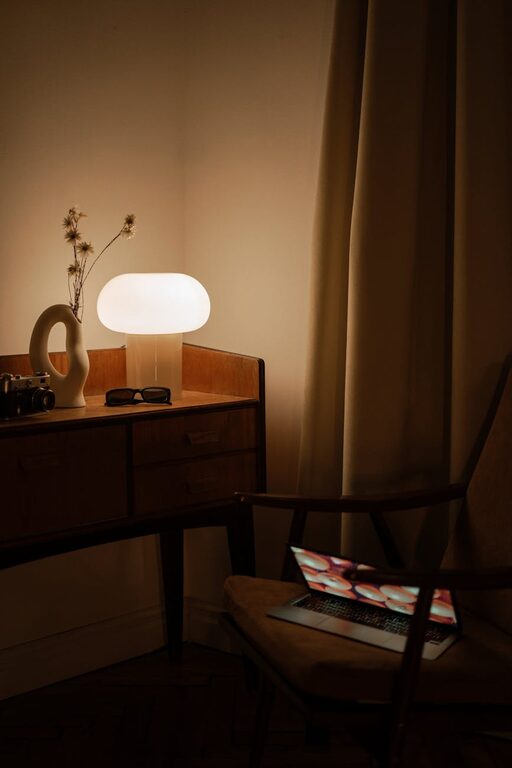
Creating a relaxing home workspace is essential for maintaining focus, reducing stress, and fostering productivity, especially as more people work remotely. A thoughtfully designed workspace can transform the way you work, helping you feel calm and motivated throughout the day. In this post, we will explore practical tips and ideas to create a serene and efficient home office environment.
Why a Relaxing Workspace Matters
A cluttered or chaotic workspace can increase stress and distract you from your tasks. On the other hand, a calm and inviting environment makes it easier to concentrate, reduces mental fatigue, and even encourages creativity. Taking the time to set up your home workspace with relaxation in mind has benefits beyond comfort—it can improve your overall work performance and well-being.
Choose the Right Location
Finding the perfect spot for your workspace is the first step to creating a relaxing atmosphere.
– Natural Light: Pick a location near a window if possible. Natural light helps regulate your body clock and boosts mood.
– Quiet Area: Choose a part of your home where noise and foot traffic are minimal to reduce distractions.
– Separate from Living Spaces: If space allows, avoid working from your bedroom or kitchen to maintain a clear boundary between work and leisure.
Invest in Comfortable and Functional Furniture
The right furniture combines comfort and ergonomics, preventing physical discomfort that can cause stress.
Desk
– Select a desk with enough surface area for your computer, notes, and other essentials.
– Consider adjustable desks if you want the option to alternate between sitting and standing.
Chair
– Use an ergonomic chair that supports your back well.
– Adjust height and armrests for proper posture to avoid strain.
Declutter and Organize
A clean, orderly workspace instantly promotes relaxation and focus.
– Minimize Desk Items: Keep only daily essentials on your desk.
– Storage Solutions: Use shelves, drawers, or bins to store supplies out of sight.
– Cable Management: Organize wires with clips or tubes to avoid tangled cords.
Use Soothing Colors and Decor
Colors influence mood, so choose tones that promote calmness.
– Soft Neutrals: Light grays, whites, and beige create a serene atmosphere.
– Cool Blues and Greens: These colors are known for their relaxing effects.
– Personal Touches: Add plants, artwork, or photos that inspire without cluttering.
Incorporate Natural Elements
Bringing nature into your workspace can lower stress and improve air quality.
– Houseplants: Easy-care plants like pothos or snake plants provide greenery without much upkeep.
– Natural Materials: Wood desks or bamboo accessories add warmth and texture.
– Fresh Air: Whenever possible, open windows to let in fresh air.
Manage Lighting Thoughtfully
Proper lighting reduces eye strain and enhances your focus.
– Layered Lighting: Use a combination of natural light, overhead fixtures, and task lamps.
– Adjustable Desk Lamps: Choose lamps with dimming options to suit different needs.
– Avoid Harsh Light: Opt for warm or neutral tones rather than intense fluorescent bulbs.
Establish a Routine and Boundaries
Maintaining routines and boundaries helps keep your workspace relaxing by separating work time from downtime.
– Set Work Hours: Define clear start and end times.
– Take Breaks: Incorporate short breaks to stretch or relax away from the desk.
– End-of-Day Ritual: Tidy your desk and switch off electronics to signal the end of work.
Add Relaxation Tools
Including items that encourage calm can help manage stress during the day.
– Aromatherapy: Use mild scents like lavender or eucalyptus with a diffuser.
– Noise Control: Use noise-cancelling headphones or soft background music to block distractions.
– Mindfulness Items: Keep a journal or stress ball nearby for quick mental breaks.
Final Tips
– Regularly reevaluate your workspace setup and adjust based on your needs.
– Avoid multitasking by focusing on one task at a time to keep your workspace purpose clear.
– Remember that simplicity often leads to the most peaceful work environments.
By following these tips, you can create a home workspace that not only boosts productivity but also nurtures your peace of mind. A relaxing environment supports better work habits and overall happiness, making your home office a place you enjoy spending time in.
—
Creating a calm and functional home workspace is achievable with a little planning and attention. Try implementing these suggestions and enjoy a more relaxing, productive workday!

Related Posts